Buying a camper trailer is exciting, but the purchase price is just the beginning. Understanding the full cost of ownership helps you budget accurately, avoid surprises, and make a confident decision about which camper suits your lifestyle and finances.
Many first-time buyers focus solely on the sticker price, only to discover ongoing expenses they hadn’t considered. The good news? Camper trailers remain one of the most cost-effective ways to explore Australia when you factor in accommodation savings and the freedom they provide.
This guide breaks down every cost associated with owning a camper trailer, from upfront expenses to annual running costs, so you can plan your investment with complete clarity.
Overview
This article covers the complete cost of camper trailer ownership including purchase price considerations, finance and interest costs, insurance, registration, servicing and maintenance, storage, accessories and upgrades, and fuel impact. We’ll also examine how these costs compare to alternative holiday options and provide practical tips for minimising ongoing expenses.
Key Takeaways
- Upfront costs include purchase price, registration, insurance, and essential accessories—budget an additional 10–15% beyond the trailer price.
- Annual running costs typically range from $1,500 to $3,500 depending on usage, storage needs, and maintenance requirements.
- Camper trailers save money long-term compared to traditional holidays when you factor in accommodation costs.
- Quality matters—investing in a well-built camper reduces repair costs and improves resale value.
- Finance options make ownership accessible, with flexible payment plans spreading the cost over manageable terms.
Understanding the Upfront Costs
The initial investment in a camper trailer extends beyond the advertised price. Planning for these upfront expenses ensures you’re financially prepared from day one.
Purchase Price
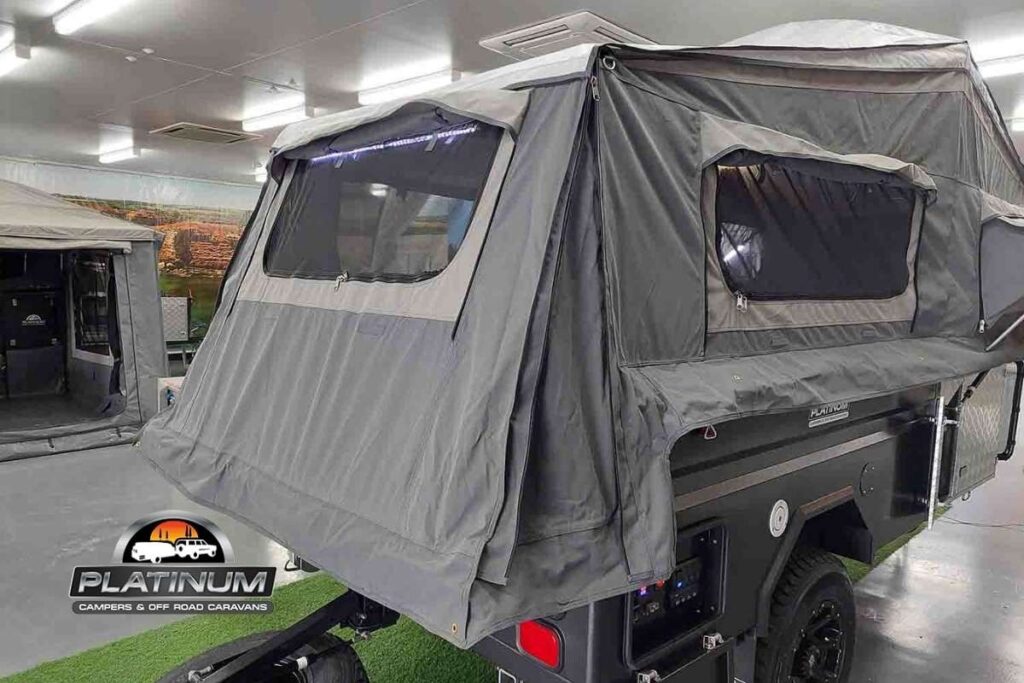
Camper trailer prices in Australia vary significantly based on type, size, features, and build quality. Soft floor camper trailers represent the most affordable entry point, with quality models starting under $10,000. These are ideal for couples or those prioritising lightweight towing and budget-friendly camping.
Hard floor camper trailers offer faster setup and more robust construction, typically ranging from $15,000 to $30,000. Models like the Chase S5 and Quest E1 sit in this category, offering excellent value for families seeking durability without excessive cost.
Premium options like the Chariot E1 double fold and Commander Hybrid range from $25,000 to $45,000, delivering maximum space, comfort, and off-grid capability for extended adventures. You can explore camper trailers under $20,000 that don’t compromise on quality if budget is a primary concern.
Finance Costs
Most buyers don’t pay upfront, making finance options an important cost consideration. Interest rates for camper trailer loans typically range from 6% to 12% depending on the lender, loan term, and your credit profile. A $20,000 camper financed over five years at 8% interest adds approximately $4,300 to the total cost, translating to weekly repayments of around $93.
Shorter loan terms reduce total interest paid but increase weekly payments. Many buyers find a three to five year term balances affordability with minimising interest costs. Low-deposit options make ownership accessible sooner, though higher deposits reduce ongoing repayments.
Registration and Compliance
Registering a camper trailer in Australia costs between $200 and $400 annually depending on your state or territory. Queensland registration for a standard camper trailer sits around $280 per year, while New South Wales charges approximately $350. These fees include compulsory third-party insurance (CTP) which covers injury claims but not vehicle damage.
New camper trailers come with compliance already sorted, but if purchasing second-hand, budget for a roadworthy inspection ($100–$150) and potential compliance work if modifications have been made.
Annual Running Costs
Once you’ve purchased your camper, several ongoing costs require annual budgeting. Understanding these helps you plan trips and maintain your investment properly.
Insurance
Comprehensive camper trailer insurance is essential protection for your investment. Annual premiums typically range from $300 to $800 depending on the camper’s value, your claims history, where you store it, and intended usage. Off-road and remote travel may increase premiums slightly.
Insuring your camper trailer covers theft, accidental damage, storm damage, and fire—risks that can result in total loss without adequate cover. You can get a camper insurance quote to understand exact costs for your situation. Most owners find the peace of mind worth the annual premium, particularly when travelling remote areas.
Servicing and Maintenance
Regular servicing keeps your camper safe, reliable, and protects resale value. Professional servicing typically costs $200 to $500 annually depending on the complexity of your setup and any issues identified. This includes checking bearings, brakes, suspension, electrical systems, and gas fittings.
Servicing frequency depends on usage—annual servicing suits occasional campers while frequent off-road users should service every six months or after extended trips. Following proper maintenance practices between services extends component life and catches issues early.
Budget additionally for consumable replacements including brake pads ($100–$200 every few years), bearing repacks ($80–$150), tyre replacement ($400–$800 for a set depending on quality), and battery replacement every three to five years ($150–$600 depending on battery type).
Canvas Care
Canvas maintenance is crucial in Australian conditions where UV exposure, dust, and moisture challenge tent fabric. Annual reproofing costs around $50–$100 for DIY treatment or $200–$400 for professional application. Proper drying before storage and regular cleaning prevents mould growth and extends canvas life significantly.
Minor repairs like seam resealing or small patch jobs cost under $100 if addressed promptly. Neglecting canvas care leads to expensive replacements—a full canvas replacement can exceed $2,000—making preventative maintenance highly cost-effective.
Storage
Where you store your camper significantly impacts annual costs. Home storage is free if you have space, though some councils have restrictions on trailer storage in residential areas. Secure commercial storage facilities charge $50 to $200 monthly ($600–$2,400 annually) depending on location, security level, and whether storage is undercover.
Proper camper storage protects your investment from weather damage, theft, and vandalism. Undercover storage commands premium prices but dramatically reduces UV degradation and weather exposure. Many owners find the cost worthwhile for peace of mind and reduced maintenance requirements.
Additional Ownership Costs
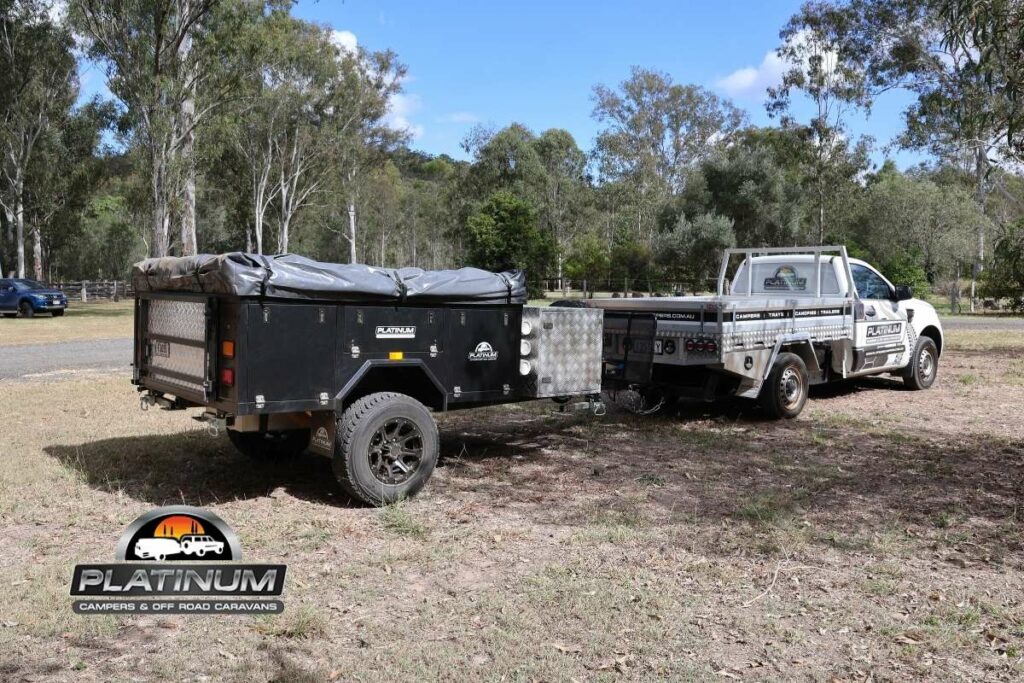
Beyond core running costs, several additional expenses factor into total ownership cost.
Accessories and Upgrades
Most campers benefit from accessories that enhance comfort, convenience, or capability. Essential additions often include solar panels ($300–$1,000), upgraded battery systems ($500–$2,000 for lithium), annexe extensions ($500–$1,500), and awning walls ($200–$500).
View the full range of camper accessories to understand what’s available. Many owners spread accessory purchases over time, adding items as they identify genuine needs through camping experience rather than buying everything upfront. Solar power setups particularly deliver long-term value by enabling free camping and reducing reliance on powered sites.
Fuel Impact
Towing a camper trailer increases fuel consumption by 15–30% depending on trailer weight, your vehicle, terrain, and driving conditions. A vehicle averaging 10L/100km unladen might consume 12–13L/100km towing a mid-weight camper. Over a 5,000km annual travel distance, this equates to roughly $200–$300 additional fuel cost at current prices.
Heavier trailers and underpowered vehicles see greater fuel penalties. Proper tyre pressures, smooth driving, and avoiding unnecessary weight improve fuel efficiency while towing.
Campsite Fees
While not strictly an ownership cost, campsite fees factor into your overall camping budget. Powered sites at caravan parks cost $35–$60 per night, while unpowered sites range from $20–$40. National park camping typically costs $7–$15 per person per night.
Free camping opportunities reduce costs significantly, and well-equipped campers with money-saving features like solar, water storage, and comprehensive battery systems can camp independently for extended periods without powered site fees.
Total Cost of Ownership Summary
Bringing these figures together provides a realistic ownership picture. The following estimates assume a mid-range hard floor camper trailer valued at $20,000.
Upfront costs (Year 1): Purchase price: $20,000 Registration: $300 Insurance: $500 Essential accessories: $1,500 Total upfront: $22,300
Annual running costs (Years 2+): Registration: $300 Insurance: $500 Servicing: $350 Maintenance/consumables: $300 Canvas care: $100 Storage (if required): $0–$1,800 Annual total: $1,550–$3,350
Over five years of ownership with moderate usage and home storage, total cost approximates $28,500–$30,000 including the purchase price. Commercial storage adds $6,000–$9,000 to this figure.
Is a Camper Trailer Worth the Investment?
When evaluating whether camper trailers are worth it, comparing ownership costs against alternative holiday expenses provides valuable perspective.
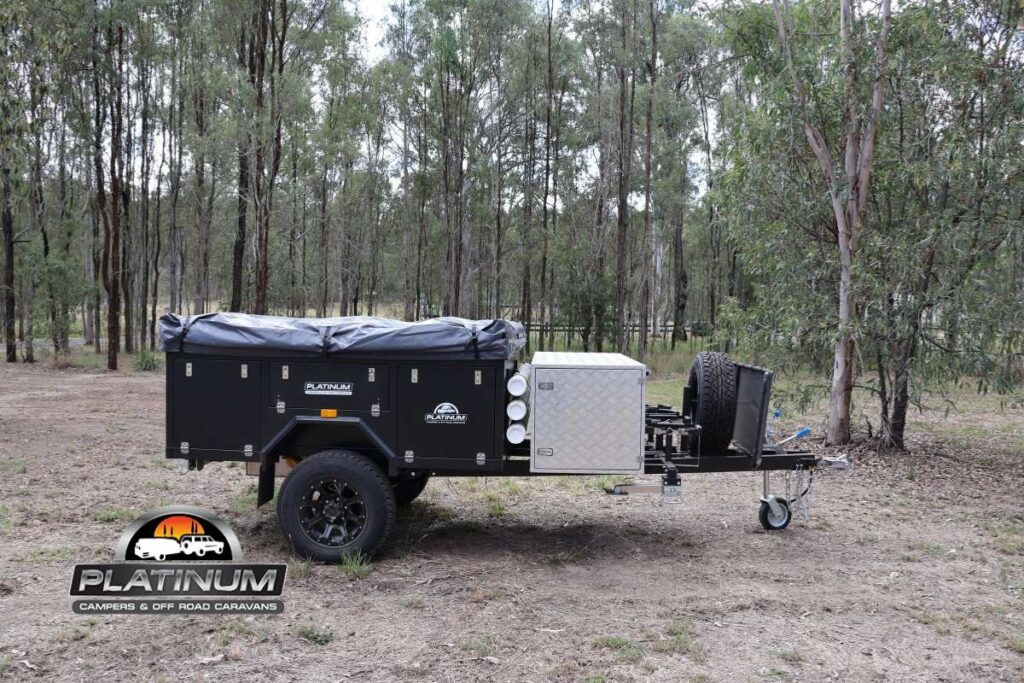
A family of four spending one week at a holiday rental or resort easily spends $2,000–$4,000 on accommodation alone. Three such holidays annually totals $6,000–$12,000 in accommodation, often exceeding annual camper ownership costs after the initial purchase. Camper owners camping fortnightly over a year might spend $1,500–$3,000 on site fees while enjoying far more holiday time.
Beyond financial returns, camper trailers deliver flexibility, spontaneity, and access to locations no hotel can match. The ability to explore Australia’s incredible landscapes on your own schedule represents value that transcends simple cost comparison.
Quality also affects long-term value. Well-built campers maintain resale value, experience fewer breakdowns, and cost less to maintain. Investing in a reputable brand with proper warranty coverage protects against unexpected repair costs and provides recourse if issues arise.
Frequently Asked Questions
What is the average annual cost of owning a camper trailer? Annual running costs typically range from $1,500 to $3,500 including registration, insurance, servicing, maintenance, and canvas care. Storage requirements can add $600 to $2,400 if home storage isn’t available.
Do camper trailers hold their value? Quality camper trailers from reputable manufacturers hold value well, typically retaining 50–70% of purchase price after five years with proper maintenance. Off-road capable models and well-known brands command stronger resale prices.
How much does camper trailer insurance cost annually? Comprehensive insurance premiums range from $300 to $800 annually depending on the camper’s value, storage arrangements, usage patterns, and your claims history.
Is financing a camper trailer a good idea? Finance makes ownership accessible without depleting savings. While interest adds to total cost, many buyers prefer manageable weekly payments over large upfront outlay. Compare loan terms and interest rates to find the best arrangement for your situation.
How often should I service my camper trailer? Annual servicing suits occasional users taking three to five trips yearly. Frequent campers or those tackling demanding off-road conditions should service every six months or after extended trips.
What maintenance can I do myself to reduce costs? Regular washing, proper canvas drying and storage, tyre pressure checks, visual inspections of lights and wiring, and lubricating hinges and latches can all be done at home. Leave bearing services, brake inspections, and gas fitting checks to professionals.
Are cheap camper trailers worth buying? While budget-friendly options exist, extremely cheap campers often cost more long-term through repairs, replacements, and reduced durability. Investing in quality construction from the outset typically proves more economical over ownership lifetime.
How much fuel does towing a camper trailer use? Expect 15–30% increased fuel consumption when towing, varying with trailer weight, vehicle efficiency, terrain, and driving style. A typical increase might be 2–4 litres per 100 kilometres.
What’s the biggest hidden cost of camper ownership? Storage surprises many owners—secure undercover storage in metropolitan areas can cost $150–$200 monthly. Canvas repairs from improper storage or neglected maintenance also catch owners off guard.
Can I reduce ownership costs without sacrificing quality? Absolutely. Home storage, DIY maintenance tasks, solar power reducing powered site reliance, and buying quality initially all reduce long-term costs. Proper care dramatically extends component life.
Make an Informed Investment
Understanding the true cost of camper trailer ownership empowers you to make confident decisions aligned with your budget and camping goals. While ownership involves ongoing investment, the freedom to explore Australia’s remarkable landscapes—on your terms, at your pace—delivers value far beyond dollars.
Quality, durability, and proper maintenance determine whether a camper becomes a cost burden or a gateway to countless affordable adventures. By planning for realistic costs and choosing a well-built camper suited to your needs, you’re investing in years of memorable experiences.
Explore the Platinum Campers range to find a camper trailer that fits your budget and adventure style.
Sources
- Queensland Government – Vehicle registration fees: https://www.qld.gov.au/transport/registration/fees
- Caravan Industry Association of Australia – Camping market insights: https://www.caravanindustry.com.au
- Moneysmart (ASIC) – Car and vehicle loan guidance: https://moneysmart.gov.au/car-loans