Key Takeaways
- Platinum Camper trailers use two primary hitch systems: the standard hitch coupling (50mm ball coupling) and the DO35 3.5T hitch coupling for heavier, off-road applications.
- Correct hitch setup is essential for safe towing. According to the National Heavy Vehicle Regulator (NHVR), coupling failure is a leading contributor to trailer-related road incidents in Australia.
- Every Platinum Camper trailer is engineered for Australian conditions, with hitch systems matched to the trailer’s Aggregate Trailer Mass (ATM) and intended use.
- Always perform a pre-departure safety check on your hitch, safety chains, and breakaway system before every trip.
Introduction
The hitch coupling is the single most critical connection between your tow vehicle and your camper trailer. Get it wrong, and you risk a dangerous separation on the road. Get it right, and you’ll tow with confidence across any terrain Australia throws at you.
Platinum Camper trailers are fitted with either a standard 50mm ball coupling or the DO35 3.5T hitch coupling, depending on the model and its gross trailer mass. This guide explains exactly how each system works, how to connect and disconnect safely, and which hitch suits your setup. Whether you’re towing a lightweight Cadet SE to a coastal campground or hauling a fully loaded Commander Hybrid through corrugated outback tracks, this article covers everything you need.
Hitch Systems on Platinum Camper Trailers
Platinum Campers equips its trailers with hitches rated to match each model’s weight class and intended terrain. There are two systems you’ll encounter across the range.
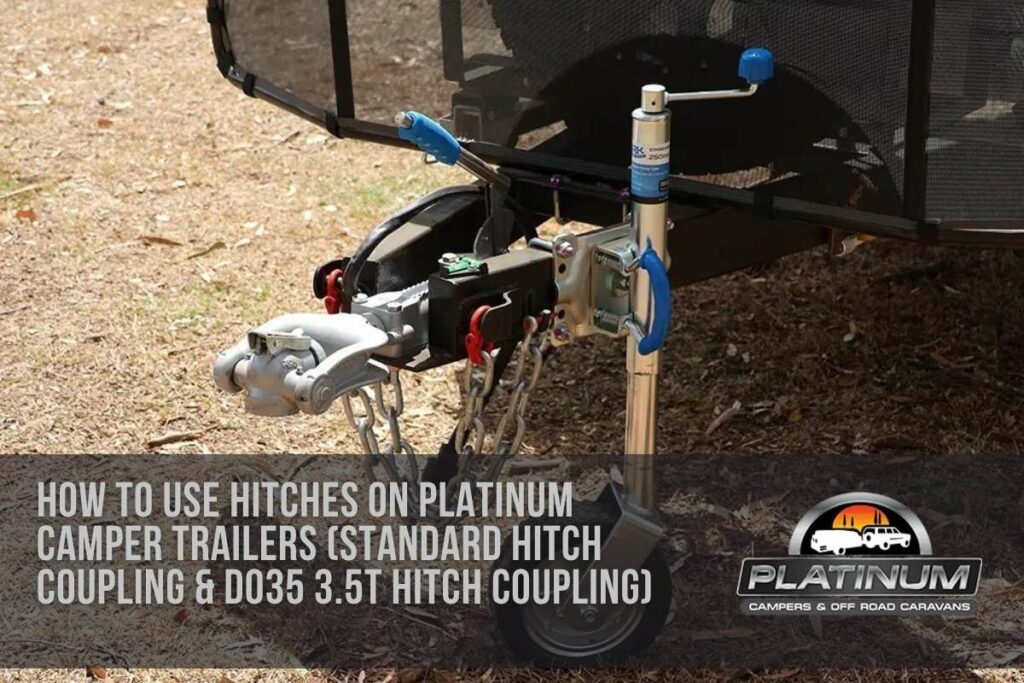
Standard Hitch Coupling (50mm Ball Coupling) is the most common trailer coupling in Australia. It clamps onto a standard 50mm tow ball fitted to your vehicle’s tow bar. This coupling is rated for trailers with an ATM up to approximately 2,000–2,500 kg, making it suitable for lighter soft floor and hard floor models like the General S4, Chase S5, and Quest E1.
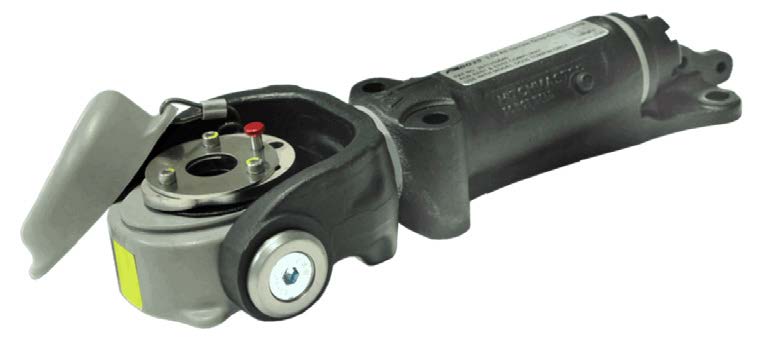
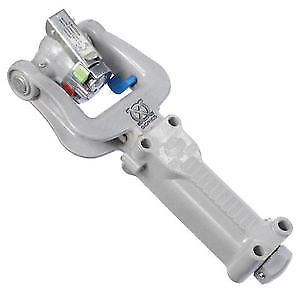
DO35 3.5T Hitch Coupling is a heavy-duty, off-road-rated coupling designed for trailers with an ATM up to 3,500 kg. Instead of clamping onto a ball, the DO35 uses a pin-and-coupling mechanism that locks onto a specialised receiver mounted to your vehicle. It provides greater articulation (360-degree rotation), improved shock absorption, and a more secure connection on rough terrain. This coupling is standard or optional on heavier models such as the Chariot E1, Discovery E1, and Commander Hybrid.
According to Couplemate, the DO35 coupling reduces lateral stress on the tow bar by up to 50% compared to a standard ball coupling, which significantly lowers wear on both the vehicle and trailer chassis over extended off-road use.
Quick Comparison: Standard vs DO35 Hitch Coupling
| Feature | Standard 50mm Ball Coupling | DO35 3.5T Hitch Coupling |
| Max ATM Rating | Up to ~2,500 kg | Up to 3,500 kg |
| Connection Type | Clamps onto 50mm tow ball | Pin locks into dedicated receiver |
| Articulation | Limited vertical/horizontal | 360-degree rotation |
| Off-Road Suitability | Moderate | Excellent |
| Shock Absorption | Minimal | Built-in dampening |
| Vehicle Requirements | Standard 50mm tow ball and tow bar | DO35-compatible hitch receiver |
| Typical Platinum Models | Cadet SE, General S4, Chase S5, Quest E1 | Chariot E1, Discovery E1, Commander Hybrid |
| Ease of Connection | Simple clamp-and-lock | Pin insertion and latch |
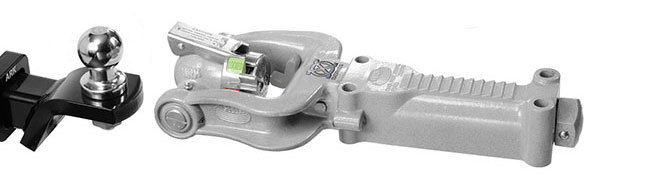
How to Connect a Standard 50mm Ball Coupling
Connecting a standard coupling is straightforward, but rushing the process is where most mistakes happen. Follow these steps every time.
Step 1: Position your vehicle. Reverse your tow vehicle so the tow ball is directly beneath the trailer’s coupling head. Use a spotter if possible. The coupling should be slightly above the ball height. Use the jockey wheel to adjust height as needed.
Step 2: Lower the coupling onto the tow ball. Release the coupling latch (lift the handle), then wind down the jockey wheel until the coupling sits fully over the tow ball. You should hear or feel a distinct “click” as the latch engages.
Step 3: Lock the coupling. Push the latch handle down firmly until it locks into position. Visually confirm the latch is fully closed. Many standard couplings have a locking pin or clip that prevents the handle from bouncing open during travel. Insert this pin every time.
Step 4: Attach safety chains. Cross the safety chains under the coupling in an X pattern and attach each chain to the designated anchor points on the tow bar. According to Australian Standard AS 4177.4, safety chains must be rated to the trailer’s ATM and must be short enough to prevent the drawbar from hitting the ground if the coupling fails, but long enough to allow full turning.
Step 5: Connect the electrical plug. Plug in the 7-pin or 12-pin flat connector to power your trailer’s lights, brakes, and any auxiliary systems. Test all lights (indicators, brake lights, tail lights) before departure.
Step 6: Connect the breakaway cable. Attach the breakaway cable to a separate anchor point on the tow bar (not to the safety chains). This cable activates the trailer’s electric brakes if the trailer separates from the vehicle.
Step 7: Retract the jockey wheel. Wind the jockey wheel fully up and secure it in the retracted position. A dangling jockey wheel can dig into the ground during off-road travel.
Step 8: Final check. Push and pull the trailer drawbar firmly. It should not lift off the tow ball. Walk around and confirm chains, electrics, breakaway cable, and coupling lock are all secure.
For a comprehensive instructions for connecting a tow ball to the hithc, see this video below.
How to Connect a DO35 3.5T Hitch Coupling
The DO35 system requires a compatible hitch receiver on your vehicle, which replaces the standard tow ball. If your Platinum Camper is fitted with a DO35 coupling, make sure your vehicle has the matching receiver installed before your first trip.
Step 1: Inspect the receiver. Check that the hitch receiver pin hole and locking mechanism are clean and free of debris. A dirty receiver can prevent the coupling from seating properly.
Step 2: Align the trailer. Reverse your vehicle until the receiver is directly below the trailer’s DO35 coupling head. Use the jockey wheel to raise or lower the coupling to align it with the receiver.
Step 3: Lower and engage. Wind the jockey wheel down so the coupling drops over the receiver pin. The DO35 coupling will click into the locked position automatically when seated correctly. You’ll feel a firm engagement and hear the latch close.
Step 4: Verify the lock. Check the coupling’s visual indicator. Most DO35 units have a green/red indicator or a clearly visible latch position that confirms whether the coupling is locked. Give the drawbar a firm push and pull to test. The coupling should have zero vertical lift.
Step 5: Attach safety chains. Same X-pattern as the standard coupling. Cross chains under the hitch and attach to your vehicle’s rated anchor points. Ensure chains comply with AS 4177.4 for your trailer’s ATM.
Step 6: Connect electrics and breakaway cable. Plug in your electrical connector and attach the breakaway cable to a separate, dedicated point on the vehicle. Test all lights and brake function.
Step 7: Retract the jockey wheel and do a final walkaround. Secure the jockey wheel, confirm all connections, and check tyre pressures on both the vehicle and trailer before heading out.
One key advantage of the DO35 is its forgiving nature on rough terrain. The 360-degree articulation means the coupling absorbs impacts that would otherwise transfer directly into your vehicle’s tow bar, reducing fatigue on long corrugated roads. This is one reason Platinum Campers offers it on its heavier, off-road-focused models.

Hitch Safety Essentials for Every Trip
Safe towing starts and ends at the hitch. The Queensland Department of Transport and Main Roads reports that a significant proportion of trailer-related incidents in Queensland involve coupling or safety chain failures that could have been prevented with routine pre-trip checks.
Always check these before you drive:
- Coupling is fully locked with the locking pin or visual indicator confirmed.
- Safety chains are crossed, correctly rated, and securely attached to the vehicle (not just looped over the tow bar).
- Breakaway cable is attached to a separate anchor point and has enough slack for turns but not so much that it drags.
- Electrical connections are firm, and all lights function (test brake lights, indicators, reversing lights, and tail lights).
- Tow ball or receiver is tight and shows no signs of excessive wear. According to the NHVR, a worn tow ball that has lost more than 2mm of its original 50mm diameter should be replaced immediately.
- Ball weight (tongue weight) is within the vehicle manufacturer’s specified range, typically 10% of the trailer’s loaded weight. An incorrectly loaded trailer causes swaying and poor braking.
For a deeper dive into hitch safety protocols, read Essential Hitch Safety Checks for Your Camper Trailers and Poly Block Hitch How-To.
[Image Prompt]: Photograph of a camper trailer owner performing a pre-trip walkaround check on a Platinum Camper trailer hitch. The person is crouched beside the coupling, visually inspecting the safety chains and breakaway cable. Outdoor campsite setting, morning light. Mood: responsible and confident.
Which Hitch System Do You Need?
The right hitch depends on your trailer model, your tow vehicle’s capacity, and where you plan to travel.
Choose a standard 50mm ball coupling if your Platinum Camper has an ATM under 2,500 kg and you primarily camp on sealed roads, well-maintained dirt tracks, or established campgrounds. Models like the Cadet SE, Warrior S4, and Chase S5 work well with standard couplings for most touring conditions.
Choose a DO35 3.5T coupling if you tow a heavier trailer (ATM approaching or exceeding 2,500 kg), frequently travel on corrugated or unsealed roads, or want the maximum security and reduced wear that off-road coupling provides. The Chariot E1,Discovery E1, andCommander Hybrid are ideal candidates.
If you’re unsure which system your Platinum Camper uses or whether your vehicle is compatible, contact the Platinum Campers team for specific advice.
Frequently Asked Questions
What type of hitch comes standard on Platinum Camper trailers? Most Platinum Camper trailers come fitted with a standard 50mm ball coupling. Heavier and off-road-focused models like the Chariot E1, Discovery E1, and Commander Hybrid may come with or offer the DO35 3.5T coupling as a standard or optional upgrade. Check your model’s specification page or contact Platinum Campers directly.
Can I upgrade from a standard coupling to a DO35 on my Platinum Camper? Yes, in most cases a qualified technician can retrofit a DO35 coupling to your trailer, provided the drawbar and chassis are rated for the additional load capacity. You’ll also need a compatible DO35 receiver installed on your tow vehicle.
How do I know if my tow ball is worn and needs replacing? Measure the diameter of your tow ball with a vernier calliper. A new 50mm ball measures exactly 50mm. According to Australian standards, if the ball has worn below 48mm, it must be replaced. Signs of excessive wear include visible scoring, flat spots, or a loose feel when the coupling is attached.
Do I need to grease my hitch coupling? Yes. Apply a thin coat of quality multi-purpose grease to the tow ball (for standard couplings) or the receiver pin (for DO35 systems) regularly. This reduces friction, prevents corrosion, and extends the life of both the coupling and the tow ball or receiver. Reapply after rain or river crossings.
What are safety chains for, and how should I attach them? Safety chains are a legal requirement in Australia. They act as a secondary connection between your trailer and vehicle, keeping the trailer attached if the coupling fails. Always cross the chains in an X-pattern beneath the coupling. This cradles the drawbar and prevents it from hitting the ground. Chains must be rated to your trailer’s ATM.
What is a breakaway cable and is it mandatory? A breakaway cable triggers your trailer’s electric brakes if the trailer separates from the vehicle. Under Australian road rules, any trailer fitted with electric brakes must have a functioning breakaway system. Attach the cable to a dedicated point on the tow vehicle (not to the safety chains or tow ball), and test it regularly.
How much ball weight (tongue weight) should my Platinum Camper have? The general guideline is 10% of the trailer’s total loaded weight. For example, a trailer loaded to 1,800 kg should have approximately 180 kg of ball weight. Too little ball weight causes trailer sway; too much overloads your vehicle’s rear axle. Always check your vehicle manufacturer’s maximum tow ball mass rating. For more on towing weights and terminology, see Camper Trailer Weights, Towing Capacity & Jargon.
Can I tow a Platinum Camper with a standard SUV or do I need a 4WD? It depends on the model and your destination. Lighter models like the Cadet SE and Chase S5 can be towed by many modern SUVs with adequate towing capacity. Heavier models such as the Commander Hybrid typically require a capable 4WD, especially for off-road use. Always confirm your vehicle’s braked towing capacity against your trailer’s ATM. See Lightweight Camper Trailers for Small Cars in Australia for guidance.
How often should I inspect my hitch coupling? Inspect your hitch before every trip. Look for cracks, corrosion, loose bolts, and worn components. Perform a more thorough inspection (including measurement of the tow ball and check of all fasteners) at least every 6 months or before any extended off-road adventure. Read How Often Should You Service Your Off-Road Camper Trailer for a full maintenance schedule.
Where can I get help if I’m unsure about my hitch setup? Platinum Campers has showrooms in Townsville, Rockhampton, and Brisbane. The team can walk you through your hitch system, check your setup, and recommend upgrades if needed. You can also contact Platinum Campers online.
Summary
Your hitch is the foundation of every safe towing experience. Whether you’re running a standard 50mm ball coupling on a Cadet SE or a DO35 3.5T coupling on a Commander Hybrid, the principles are the same: connect correctly, check thoroughly, and never skip a pre-trip inspection.
Ready to hit the road with confidence? Explore the full Platinum Campers range or get in touch to find the perfect camper and hitch setup for your next adventure.
Sources
- National Heavy Vehicle Regulator (NHVR): https://www.nhvr.gov.au/
- Australian Standard AS 4177.4 (Trailer Couplings): https://www.standards.org.au/
- Queensland Department of Transport and Main Roads: https://www.qld.gov.au/transport
- Couplemate (DO35 Coupling Specifications): https://www.couplemate.com.au/