Overview
Choosing between an entry-level and premium camper trailer comes down to understanding your camping frequency, trip duration, terrain demands, and long-term goals. This guide breaks down the key differences between budget-friendly and feature-rich camper trailers, helping you invest wisely without overspending or underbuying. You’ll learn what features matter most at each price point, who each category suits best, and how to match your purchase to your actual camping lifestyle.
Key Takeaways
- Entry-level campers ($10,000–$18,000) suit occasional campers, beginners, and those with lighter towing vehicles.
- Premium campers ($25,000+) justify their cost through durability, off-road capability, and comfort for frequent or extended travel.
- Your camping frequency, terrain, and trip length determine which category delivers genuine value.
- Soft floor campers offer excellent entry points; hard floor and hybrid models provide premium features.
- Buying more than you need wastes money; buying less leads to costly upgrades or premature replacement.
What Defines Entry-Level Camper Trailers
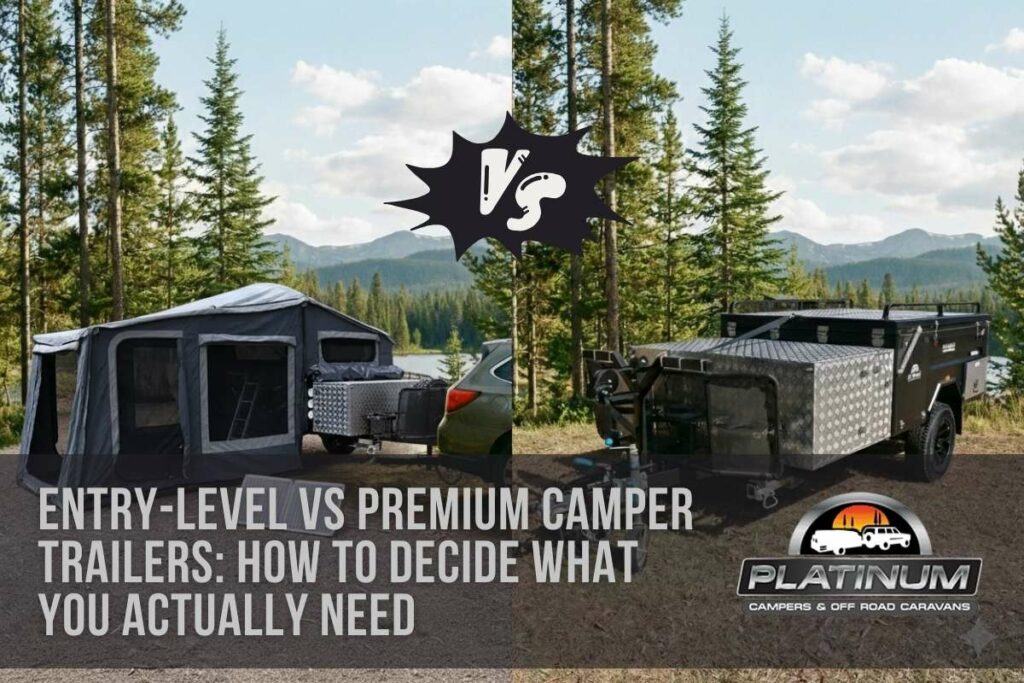
Entry-level camper trailers typically range from $10,000 to $18,000 and prioritise essential functionality over luxury features. These models deliver reliable shelter, basic kitchen setups, and adequate storage for weekend getaways and shorter trips. Soft floor camper trailers dominate this category, offering lightweight construction that suits smaller tow vehicles and first-time towers.
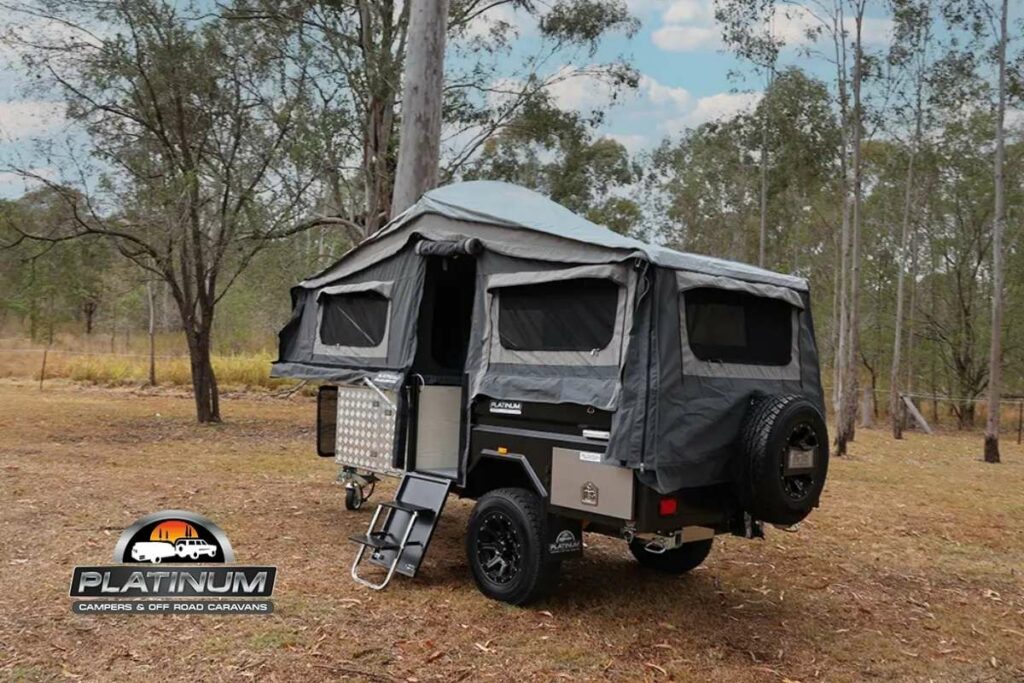
The Cadet SE exemplifies quality entry-level design—spacious canvas accommodation, practical storage, and genuine off-road capability without unnecessary complexity. Models like the General S4 add step-through accessibility and enhanced storage while remaining firmly in the accessible price range.
Entry-level doesn’t mean poor quality. Australian-designed campers in this bracket feature galvanised steel chassis, durable canvas, and components built for local conditions. The difference lies in feature density rather than fundamental build quality. You’ll find simpler 12V systems, manual rather than gas-strut assisted setups, and standard rather than upgraded suspension components.
What Premium Camper Trailers Offer
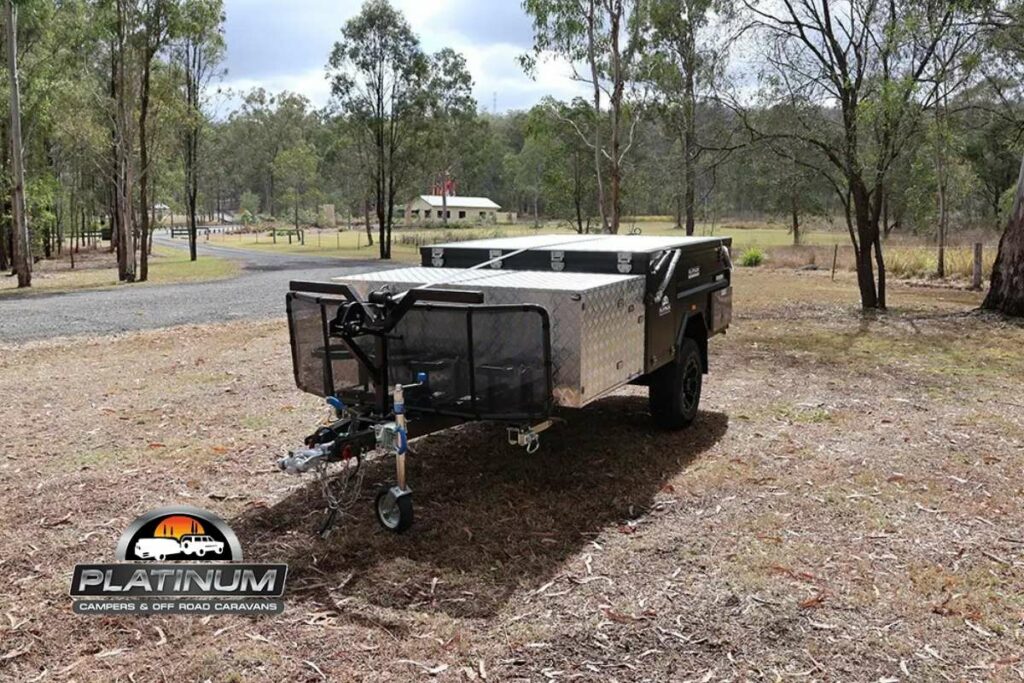
Premium camper trailers ($25,000 and above) incorporate advanced features that enhance comfort, durability, and capability. These models suit frequent campers, extended travellers, and those tackling demanding terrain. Hard floor camper trailers and hybrid models like the Commander represent this category’s pinnacle.
Premium features include independent trailing arm suspension for superior off-road performance, heavy-duty chassis construction, integrated hot water systems, larger battery capacity, and comprehensive solar setups. Models like the Chariot E1 demonstrate how dual-fold designs maximise living space—understanding forward, rear, and dual-fold configurations helps identify which premium features match your needs.
The Discovery E1 showcases family-oriented premium design with generous internal space and quick setup systems. Premium construction also means superior long-term durability—heavier gauge steel, reinforced stress points, and components rated for tens of thousands of kilometres on corrugated tracks.
Matching Your Camping Style to Your Budget
Occasional Weekend Campers
If you camp 4–8 times yearly at established campgrounds or easy-access bush sites, entry-level campers deliver excellent value. You’ll enjoy proper shelter, comfortable sleeping, and convenient cooking without paying for capability you won’t use. The best camper trailers under $20,000 provide everything occasional campers genuinely need.
Regular Family Campers
Families camping monthly or during every school holiday benefit from mid-range to premium features. Family-focused camper trailers with dedicated kids’ room options justify higher investment through daily comfort improvements that compound across dozens of trips. Quick setup systems save precious holiday time, while larger kitchens and storage accommodate family logistics.
Off-Road and Remote Adventurers
Tackling the Gibb River Road, Cape York tracks, or extended outback touring demands premium construction. Capable off-road campers feature reinforced chassis, independent suspension, stone guards, and underbody protection that entry-level models lack. This isn’t about luxury—it’s about returning home with your camper intact. Understanding towing weights and capacity becomes critical when selecting off-road capable models.
Extended Travellers
Multi-week or lap-around-Australia trips demand premium investment. Living in your camper for extended periods requires larger water capacity, robust electrical systems, comfortable sleeping, and durable construction that handles daily setup cycles. The Commander Hybrid bridges camper trailer agility with caravan-like amenities for serious touring.
The Real Cost Difference: Beyond Purchase Price
Sticker price tells only part of the story. Genuine ownership costs include insurance, registration, maintenance, repairs, and potential upgrades. Camper trailer insurance costs scale with value, though premium models often include features (like better security) that offset increases.
Entry-level campers may require aftermarket additions—accessories and add-ons like solar panels, upgraded batteries, or annexes that premium models include standard. Calculate total equipped cost rather than base price when comparing. Similarly, regular servicing requirements and maintenance routines apply across all price points, premium construction simply tolerates more punishment between services.
Resale value favours quality. Well-maintained premium campers from reputable manufacturers retain value better than budget alternatives. If you plan to upgrade later, buying quality initially often costs less than trading up from an entry-level model within a few years.
Key Features Worth Paying Extra For
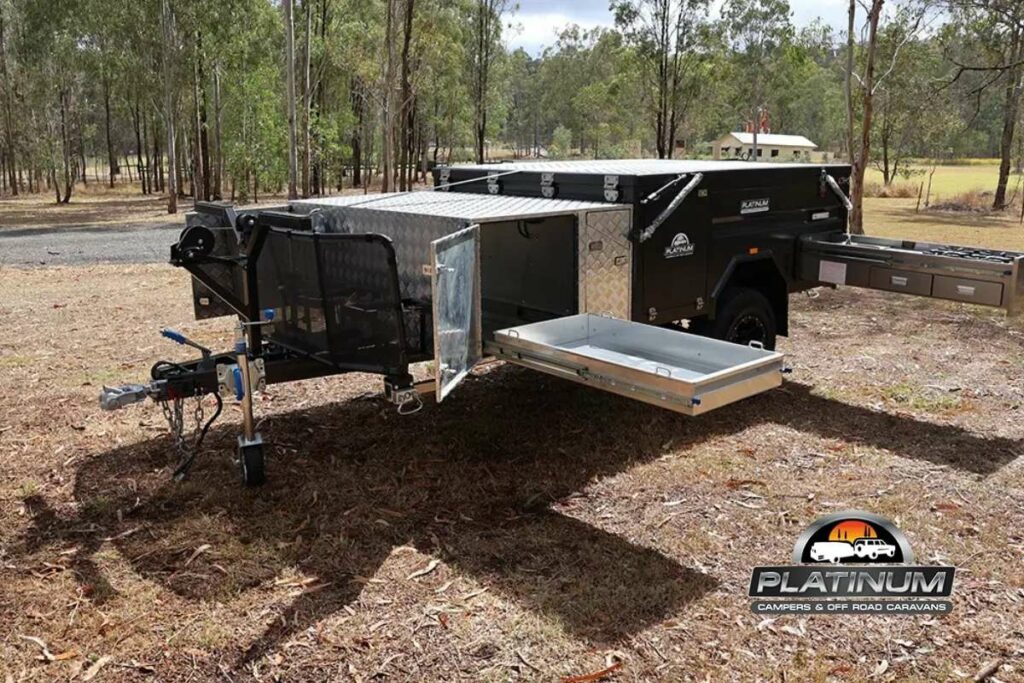
Certain premium features deliver outsized value depending on your use case. Independent suspension transforms corrugated track comfort and protects trailer contents—worthwhile for any regular off-road use. Integrated hot water systems elevate camping comfort dramatically for families and extended travellers. Quick-setup mechanisms matter enormously when you’re setting up camp tired after long driving days—fast-setup designs justify premium pricing through accumulated time savings.
Electrical capacity increasingly differentiates price brackets. Basic 100Ah systems suit weekend use; extended travel demands 200Ah+ capacity with proper DC-DC charging and solar integration. Canvas quality affects longevity significantly—premium ripstop canvas with quality waterproofing outlasts budget materials by years with propercanvas maintenance.
Features You Might Not Need
Not every premium feature suits every camper. Maximum off-road specification adds weight and cost unnecessary for bitumen-and-gravel travellers. Oversized water tanks increase tare weight without benefit if you camp near facilities. Complex electrical systems require maintenance knowledge—simpler setups suit those preferring straightforward camping.
Before paying premium prices, honestly assess your typical trips. Caravan park campers don’t need expedition-grade construction. Solo or couple travellers rarely require family-sized models—the best campers for couples and compact camper trailers often represent smarter purchases than larger alternatives.
Making Your Decision: A Practical Framework
Apply these questions to clarify your genuine needs:
How often will you camp? Under 6 trips yearly favours entry-level; 10+ trips annually justifies premium investment. What terrain will you tackle? Highway and graded roads suit entry-level; regular corrugated tracks or 4WD-only access demands premium suspension and construction. How long are your typical trips? Weekend warriors need less; multi-week travellers benefit from premium comfort and capacity.
What’s your towing situation? Lightweight campers for smaller vehicles exist at both price points, but your vehicle’s limits may dictate category. Are you likely to upgrade? If you’ll outgrow entry-level within 2–3 years, buying mid-range or premium initially often costs less overall.
Visiting a Platinum Campers showroom lets you physically compare models across price points. Asking the right questions during your visit helps match features to needs, and running through the pre-purchase inspection checklist ensures you’re comparing like-for-like.
Frequently Asked Questions
Is an entry-level camper trailer good enough for a family? Yes, for families camping occasionally at established sites. Entry-level soft floor campers like the General S4 comfortably accommodate families. Frequent family campers benefit from mid-range models with quicker setup and enhanced storage.
What’s the main difference between $15,000 and $30,000 camper trailers? Premium models feature heavier-duty construction, independent suspension, larger electrical systems, integrated amenities (hot water, better kitchens), and faster setup mechanisms. Build quality suits harder use over longer periods.
Can entry-level campers handle off-road conditions? Quality entry-level campers handle gravel roads and light off-road use. Serious corrugated tracks, river crossings, and remote touring require premium suspension and reinforced chassis found in higher-priced models.
Should I buy entry-level now and upgrade later? This strategy works if you’re uncertain about camping commitment. However, if you know you’ll camp frequently, buying quality initially often costs less than trading up within a few years due to depreciation.
Are soft floor campers always entry-level? No. While soft floor designs dominate the entry-level segment, premium soft floor models exist with upgraded suspension, electrical systems, and construction. Soft floor benefits include lighter weight regardless of price bracket.
What premium features matter most for resale value? Quality construction, reputable brand names, independent suspension, and comprehensive electrical systems retain value best. Cosmetic upgrades matter less than functional capability when reselling.
How do I finance a premium camper trailer. Flexible finance options make premium models accessible through manageable payments. Low deposits and competitive rates allow buyers to access quality campers without large upfront outlays.
Do premium campers require more maintenance? Not necessarily. Premium components often tolerate more use between services. However, all campers benefit from regular pre-trip checks and scheduled maintenance regardless of price point.
Find Your Perfect Match
The right camper trailer isn’t necessarily the most expensive or the cheapest—it’s the one that matches your genuine camping patterns, terrain requirements, and long-term plans. Entry-level campers deliver outstanding value for occasional use and lighter touring. Premium models justify investment through capability and comfort that compounds across frequent adventures.
Buying honestly based on actual needs rather than aspirational use ensures satisfaction with your purchase. Whether you choose an accessible Cadet SE for weekend escapes or a fully-equipped Chariot E1 for serious touring, matching features to requirements delivers the best camping experience for your investment.
Explore the full Platinum Campers range or contact our team for personalised recommendations based on your camping style.